

If you are involved in a civil case such as divorce or child custody, you have the right to an attorney. Unfortunately, finding one can be daunting task; while word-of-mouth may work best, using online resources may provide better results.
Locating data about attorneys’ win/loss trial records isn’t always an easy process; it may involve searching public registries or using legal research tools online to do it.
Case summaries
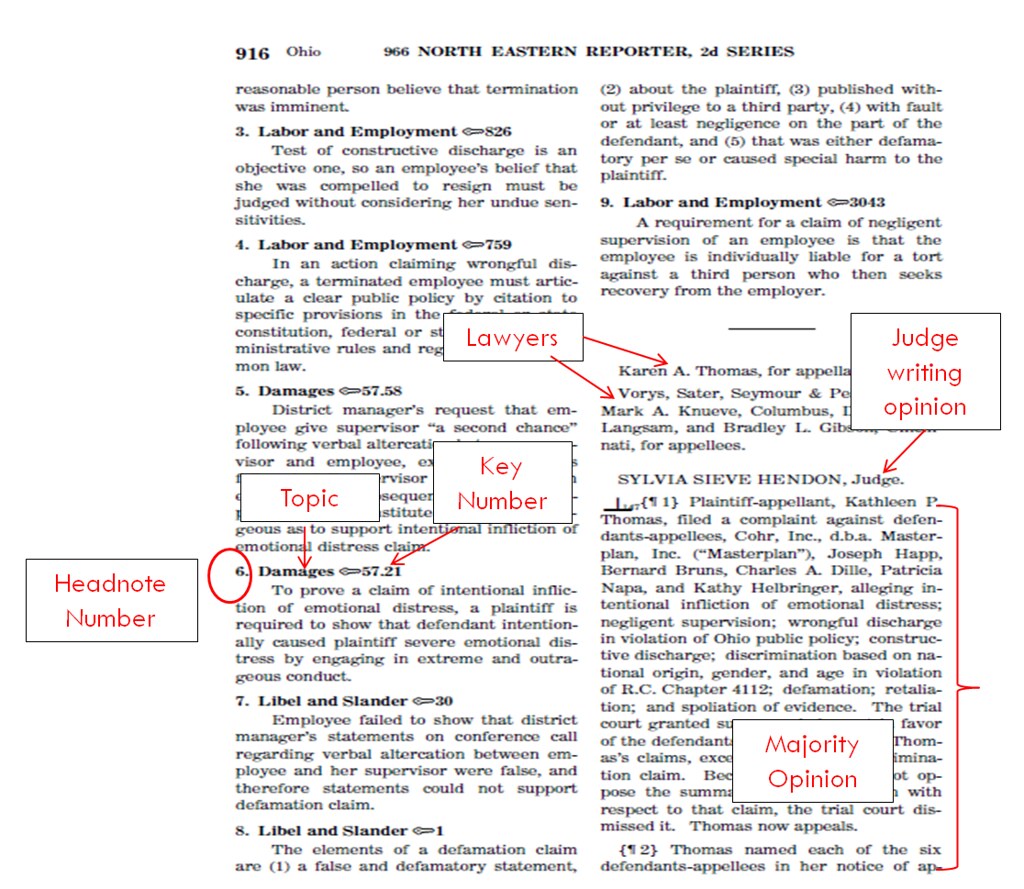
One of the primary goals in any law practice is understanding how prior courts have evaluated fact situations similar to your client’s, applied the law accordingly and issued rulings. Legal professionals dedicate significant amounts of time reading and summarizing cases that help determine strategy, identify precedent and identify weaknesses – each individual may use their own approach but experts offer general tips.
Prior to diving into an opinion, read through its headings and subheadings to better focus on key issues and facts in the case and save time. Once this step has been completed, continue with reading the entire opinion to identify which information most applies to your client’s case – this method also forces you to think critically about both legal issues as well as facts within it. This practice can help develop you into an adept legal writer!
Hitting highlighters is another useful strategy when reading case opinions, as it helps keep the focus on key facts and legal principles that form court’s decisions. Just make sure not to overdo it or you could miss the essence of their arguments or an important piece of evidence!
Understand the disposition of a case, often noted at the end of an opinion. This will let you know whether a court’s ruling is binding or advisory for your court, with advisory cases easily being overruled by higher courts in future rulings.
The easiest way to evaluate a lawyer’s track record is through communication. Some may provide this information directly, while others may not. As an alternative, you can search PACER (Peaceful Electronic Records Exchange of Records System), the federal electronic records system that houses cases filed in U.S. district, appellate, and bankruptcy courts and provides data regarding wins/losses by individual attorneys. PACER allows users to see cases filed at individual courts around the United States that can show what percentage have won/lost cases by any given attorney in PACER case information which provides access to cases filed at each level of U.S. court systems; this information can reveal how many cases each lawyer has won/lost.
Trial transcripts
Trial transcripts can help you assess whether an attorney is appropriate for your case. Transcripts are written recordings of courtroom dialogue – from judge and jury comments, through to everything said during hearings or trials and sometimes appeals – but finding transcripts online may prove challenging; you could try searching PACER but this might take too much time and might incur fees; alternatively you could reach out to your local clerk of courts and inquire how much a transcript will cost.
Self-represented litigants can access transcripts through the court’s online ordering system. You will need to provide details such as case or docket number, hearing date/time/party involved as well as jurisdiction where case occurred to access transcripts. Furthermore, this system will ask whether court reporter coverage was provided as well as what type of transcript would best meet their needs.
Homicide trials and divorce proceedings, among others, typically do not employ court reporters, so in such instances you will need to order transcripts through a transcript service after your case has concluded; they could take up to two years until their release.
Many courts offer free or low-cost transcripts of oral arguments. California’s Supreme Court began broadcasting its arguments online in 2016, creating one of the largest collections of audio files on the web that you can use an app like Notta to transcribe into text for review.
Searching the judicial branch website will often provide the most comprehensive results, from contact info of attorneys to any public discipline or malpractice complaints against them. Other resources for researching attorneys include web-based organizations as well as Martindale-Hubbell – one of America’s premier legal directories.
As well as researching an attorney’s track record, you can also research their background and education. Furthermore, look out for any news stories or articles regarding their practice; finally search Google to see if they have a good reputation.
Lawyer’s personal website
As part of your search for legal representation, it’s essential to evaluate their track record. A great attorney should be able to demonstrate their success rate in cases similar to your own and be willing to answer any queries about their work history – though finding this information may not always be straightforward; many attorneys rely on social media or online directories but these can only offer limited details about them.
State bar directories offer another way of researching an attorney’s license and discipline history, typically including public reprimands as well as any pertinent details that might impact their case. Some states even allow you to search by name or bar number; additionally, others provide lists of disbarred attorneys.
Attorney websites are an invaluable source of legal information. Most law firms maintain well-developed websites with detailed bio pages for every attorney at their firm; these pages should contain details regarding education, training and work experience as well as any upcoming professional developments or a FAQs or blog section dedicated to common legal topics.
Once you’ve narrowed down your list of potential attorneys, make an appointment to meet each one. Ask each about how long they’ve been practicing law and any experience they might have dealing with your specific issue. Also find out how best to reach them and if they respond quickly when emails or phone calls come through.
Keep a notepad handy while interviewing attorneys and make sure to jot down any information they provide so you can compare later. Inquire into their fees (by the hour or case).
If you need legal assistance locally, seeking referrals and recommendations from friends and family will help narrow down your choices and find one who best meets your needs. Furthermore, researching attorney experience by viewing their website or seeking references from former clients may also prove useful in finding an attorney suitable for you.
Social media
Social media is becoming an invaluable resource for lawyers, with some using it to connect with clients while others utilizing it for research and networking purposes. No matter how they utilize it, lawyers must remain mindful of ABA solicitation rules; particularly not using social media as a marketing platform as this violates ethics regulations and could lead to client dissatisfaction.
As part of any litigation case, it’s crucial to obtain as much information about the defendant as possible. This information can help assess its strength and may save both time and money down the road. Investigating public records often yields useful insight, including criminal backgrounds, civil litigations and business or organizational affiliations of potential defendants.
Social media content is increasingly being used as evidence in both civil and criminal proceedings, thanks to people chronicling every aspect of their lives on social media platforms like Facebook or Instagram – including photos and video – including lawyers and judges as evidence in cases. Furthermore, these posts can help lawyers and judges gain insight into facts of cases while also being used as tools to identify witnesses. For more information, read this Forbes article about using social media as evidence.